Achensee rack railway has climbed under steam since 1889
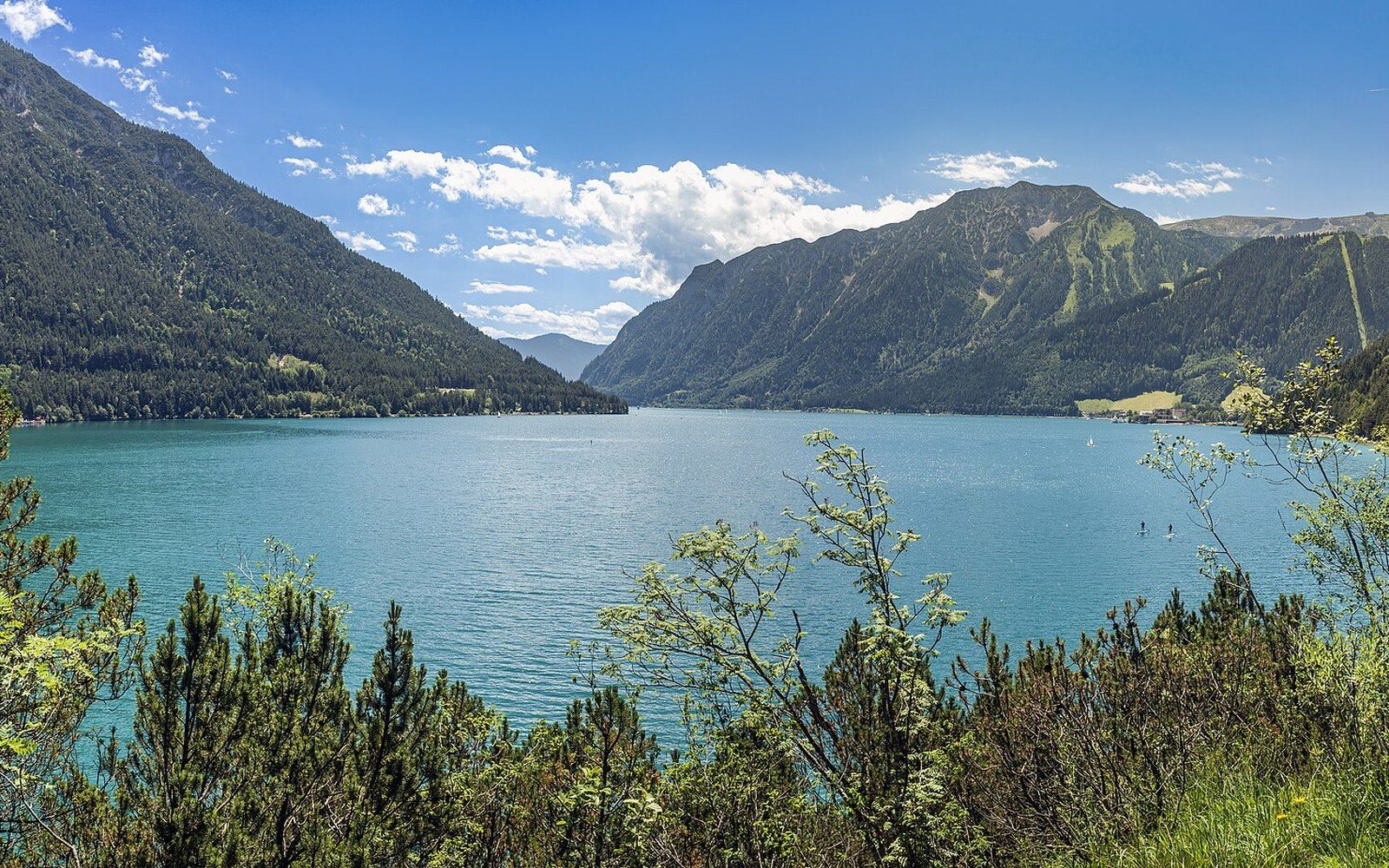
A long lake between wooded ridges with a small steamer on itPhoto: Blick über den Achensee nach Pertisau · Wikimedia Commons
The Achensee is the deepest lake in Tyrol, and the oldest way to reach it is still running: a rack railway that has made the same climb under steam since 1889.
The lake and the line
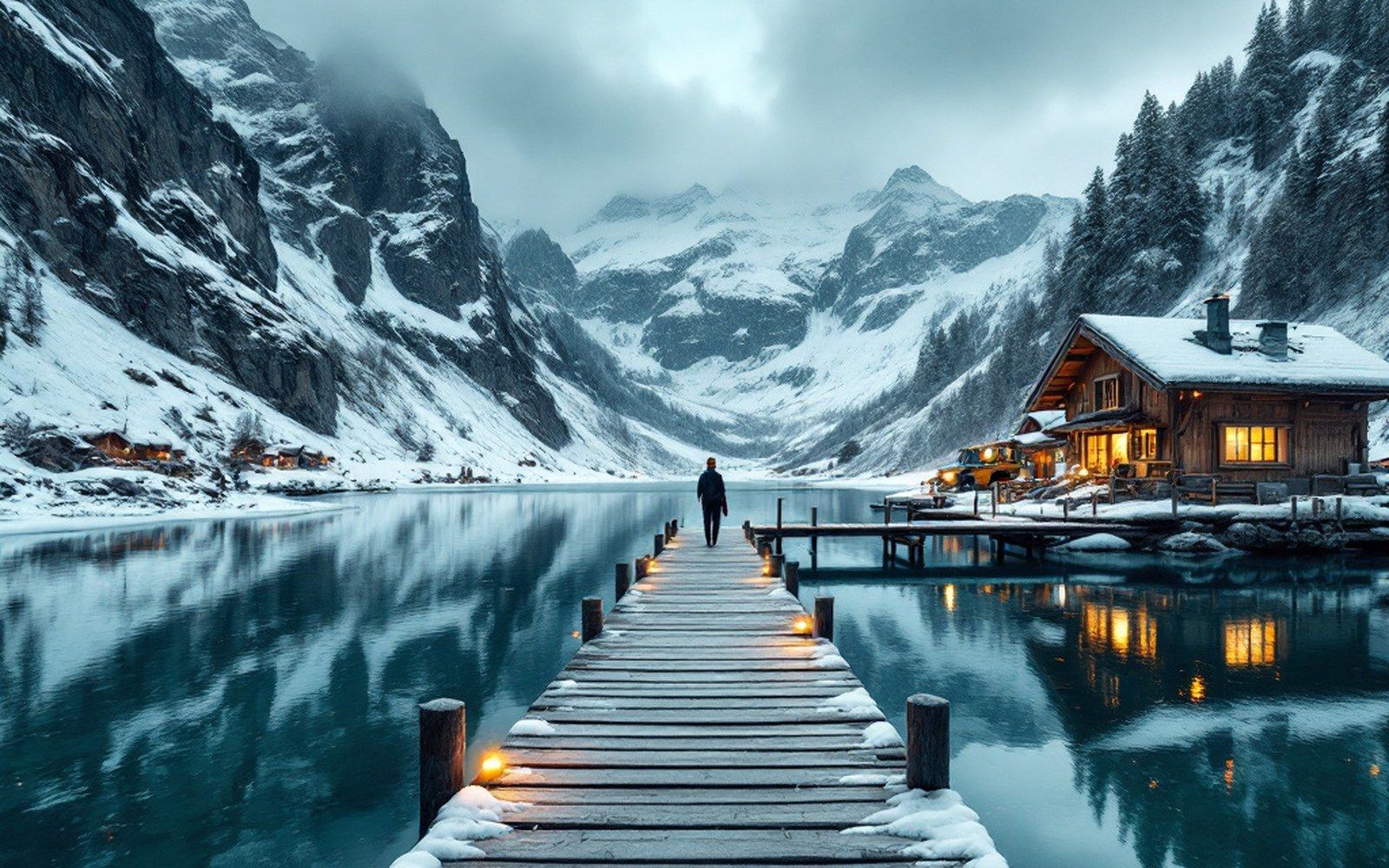
The Achensee sits at 929 metres above sea level in a trench between the Karwendel and the Rofan ranges, its water a concentrated blue-green that comes from the same cause as every other improbably coloured Alpine lake — rock flour, the glacially ground mineral dust that stays suspended and bends light toward the short wavelengths. At nearly nine kilometres long and close to a hundred and thirty metres at its deepest point, it is the largest lake in Tyrol by a margin, and that depth means the cold lingers well into summer.
The Achenseebahn ↗ leaves Jenbach in the Inn valley and climbs roughly four hundred metres in just under seven kilometres to reach the lake's southern shore at Achensee station. It is a rack-and-pinion line — the locomotive's cog wheel meshes with a toothed rail laid between the running rails to hold the train on gradients too steep for friction alone — and it has operated on this principle continuously since its opening in 1889, making it one of the oldest rack railways in continuous use in the Alps. The motive power today is the same as it was at opening: steam. The preserved fleet of Abt-system locomotives, named for the Swiss engineer Roman Abt whose rack design the line adopted, haul their open carriages at walking pace up a hillside that would defeat any conventional train.
The line's lower terminus at Jenbach sits beside the main Innsbruck–Salzburg corridor, with the railway swinging away uphill from there — an arrangement that gave the railway its early commercial logic. Travellers off the express could be on the lake within the hour.
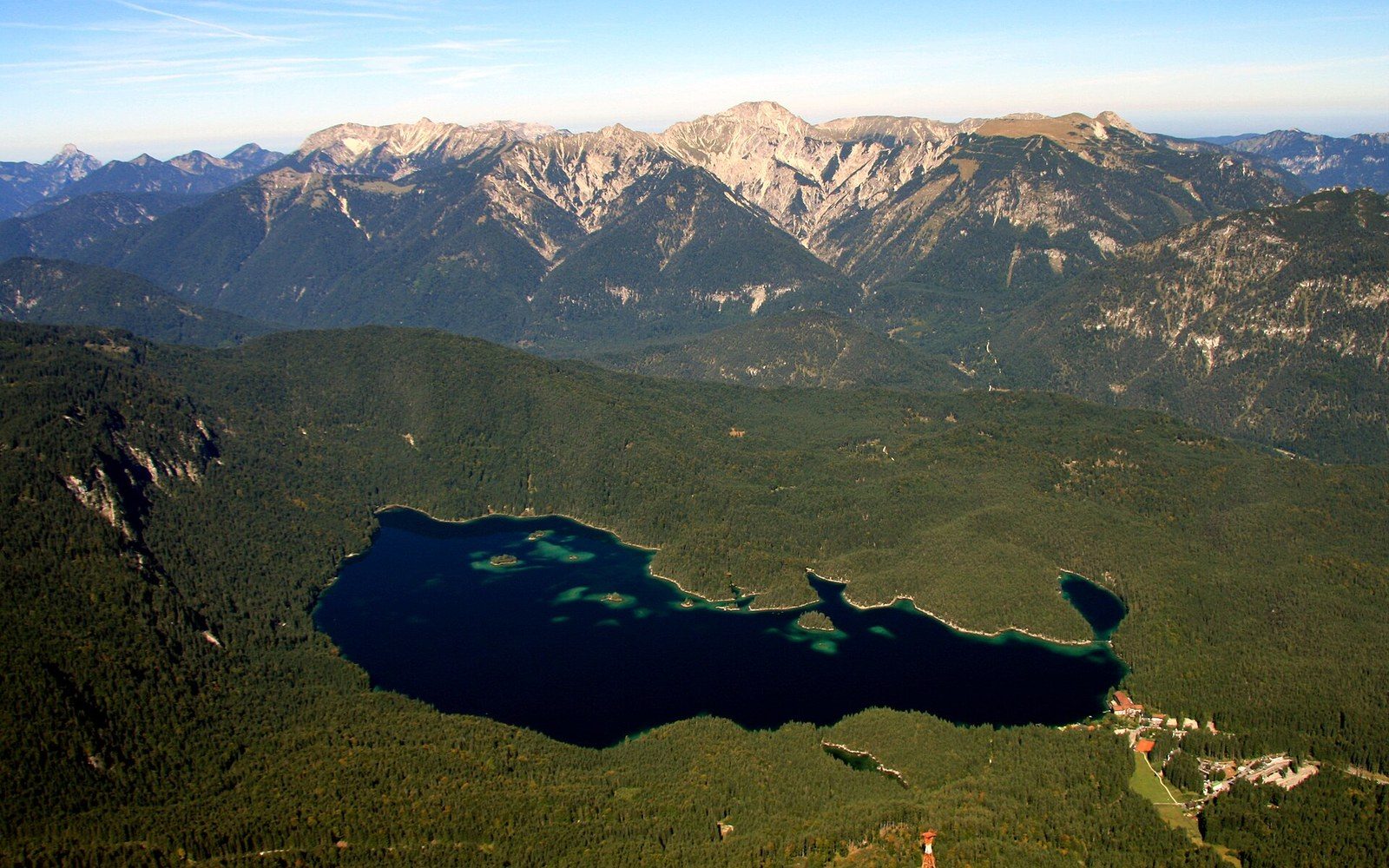
At the summit terminus a fleet of passenger vessels, operated by the same company, extends the journey along the Achensee itself to Pertisau and beyond. The boats have been part of the system since the railway's early years; the combination of rack railway and lake steamer was always the point. The Achensee is enclosed enough that its water stays notably clear ↗, and the mountains above both shores rise steeply enough that the light changes fast and completely around midday.
- St. Anton
- Eibsee
- Garmisch
- Achensee
- Mayrhofen
- Grossglockner
- Königssee
- Bad Gastein
The Österreichischer Alpenverein maintains hut connections above the eastern shore into the Rofan — ground that the railway made accessible and the hut network then extended further into.