Everything on the site, in one place
- St. Anton
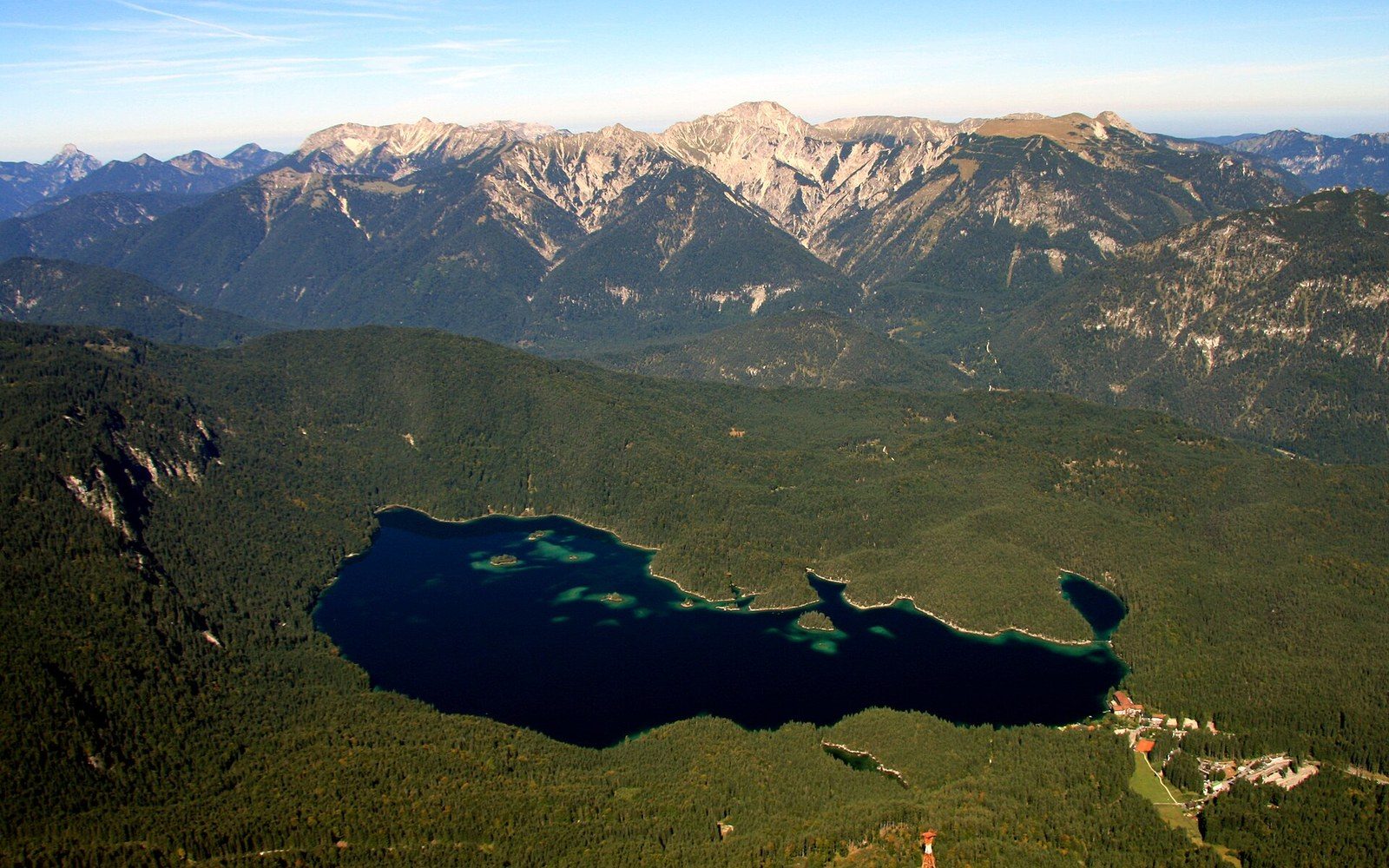
- Eibsee
- Garmisch
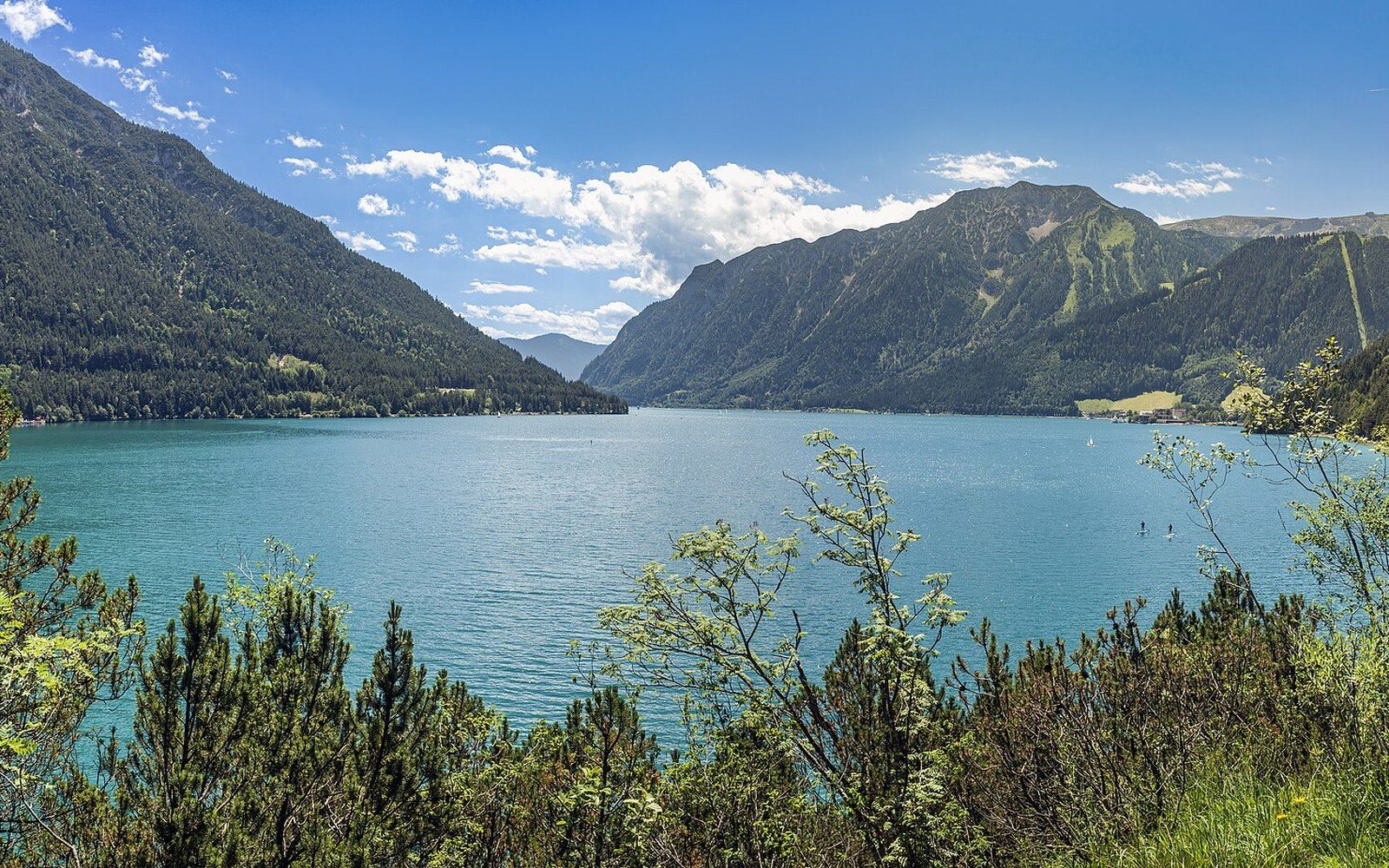
- Achensee
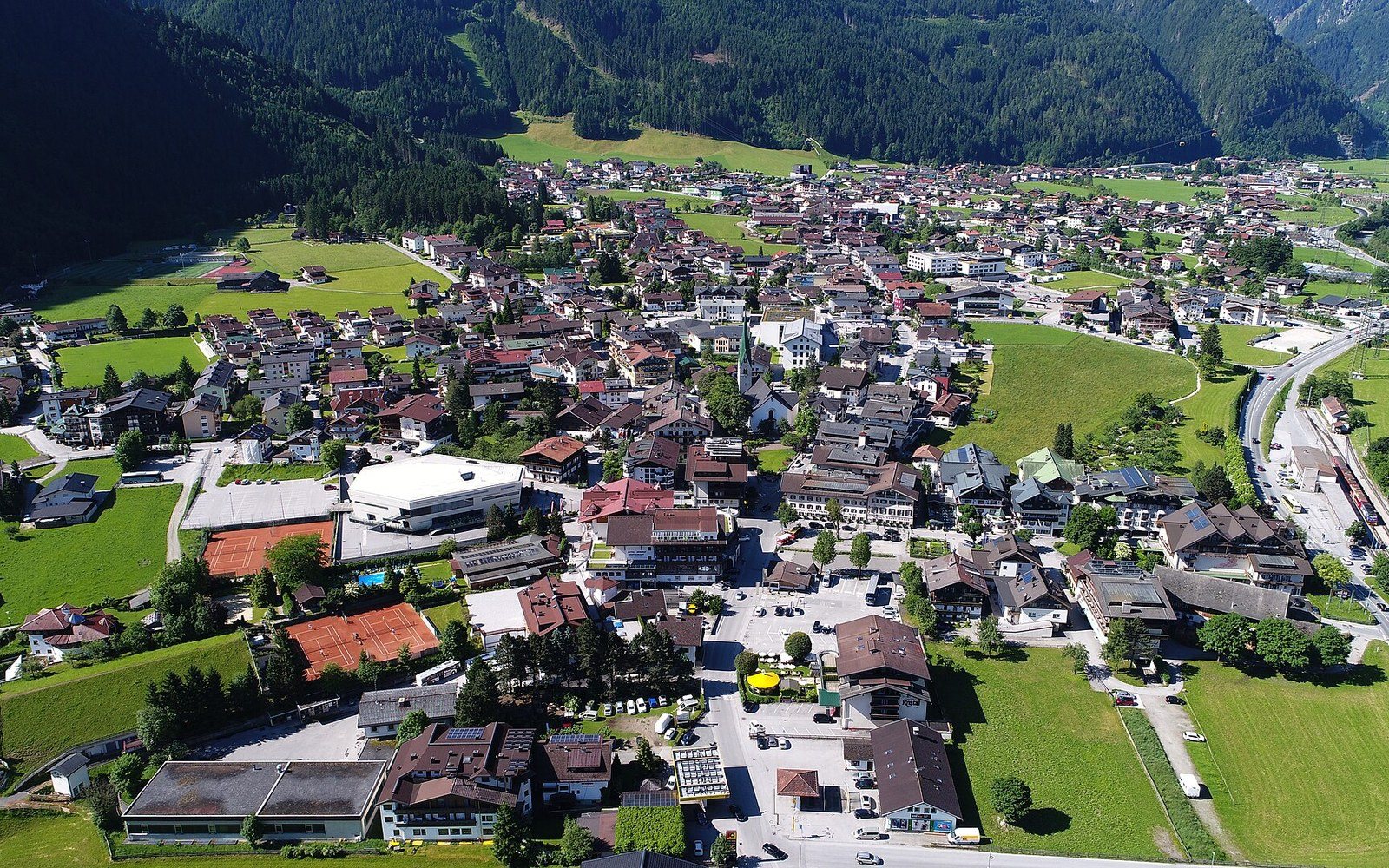
- Mayrhofen
- Grossglockner
- Königssee
- Bad Gastein
The eight places the guides return to most, from St. Anton in the west to the Königssee.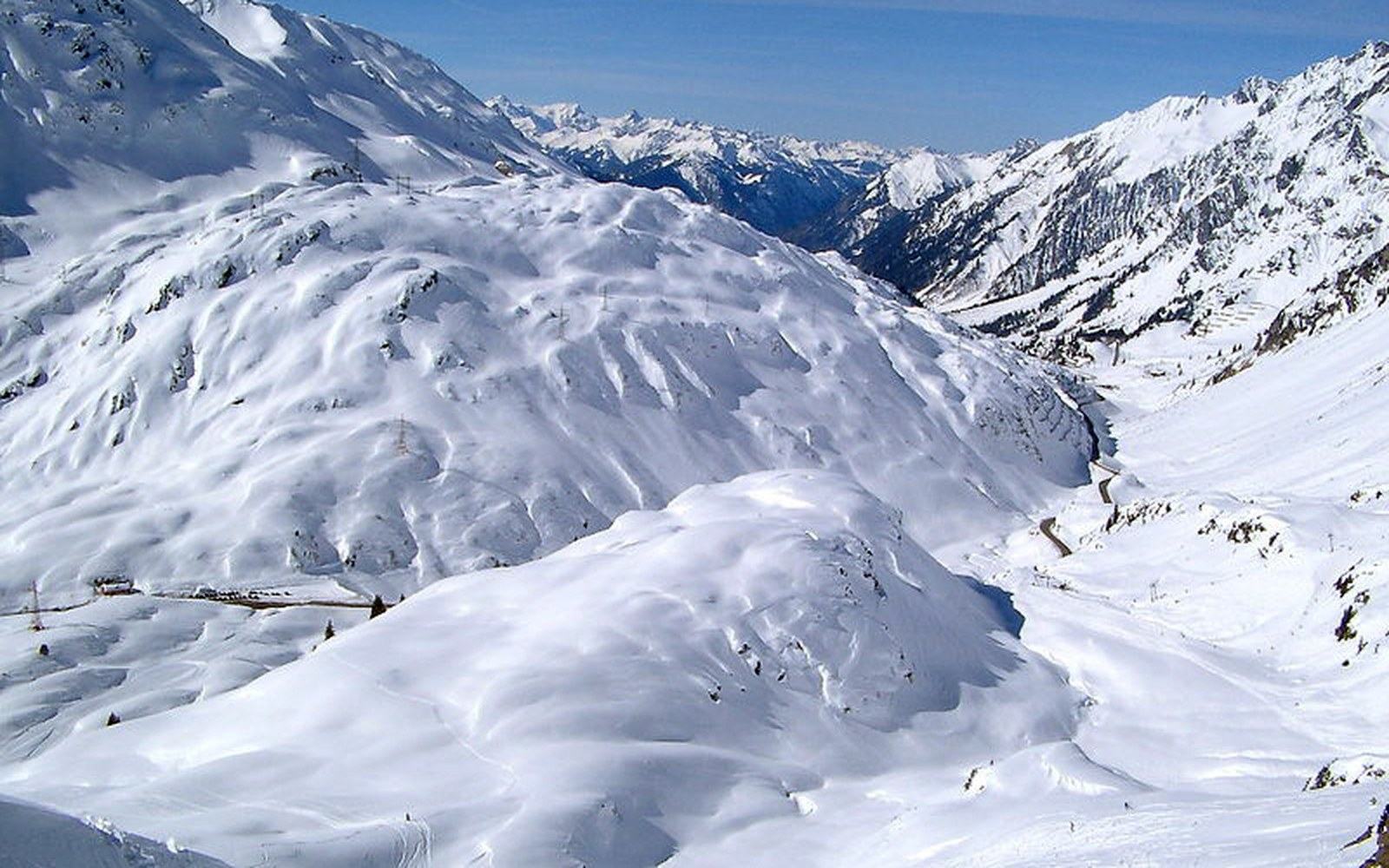 Five Arlberg villages depend on 580 metres of climbThe Arlberg pass road links St. Christoph, St. Anton, Stuben, Zürs and Lech, and keeping it open through a winter is a continuous operation with crews, galleries and a tunnel underneath it.
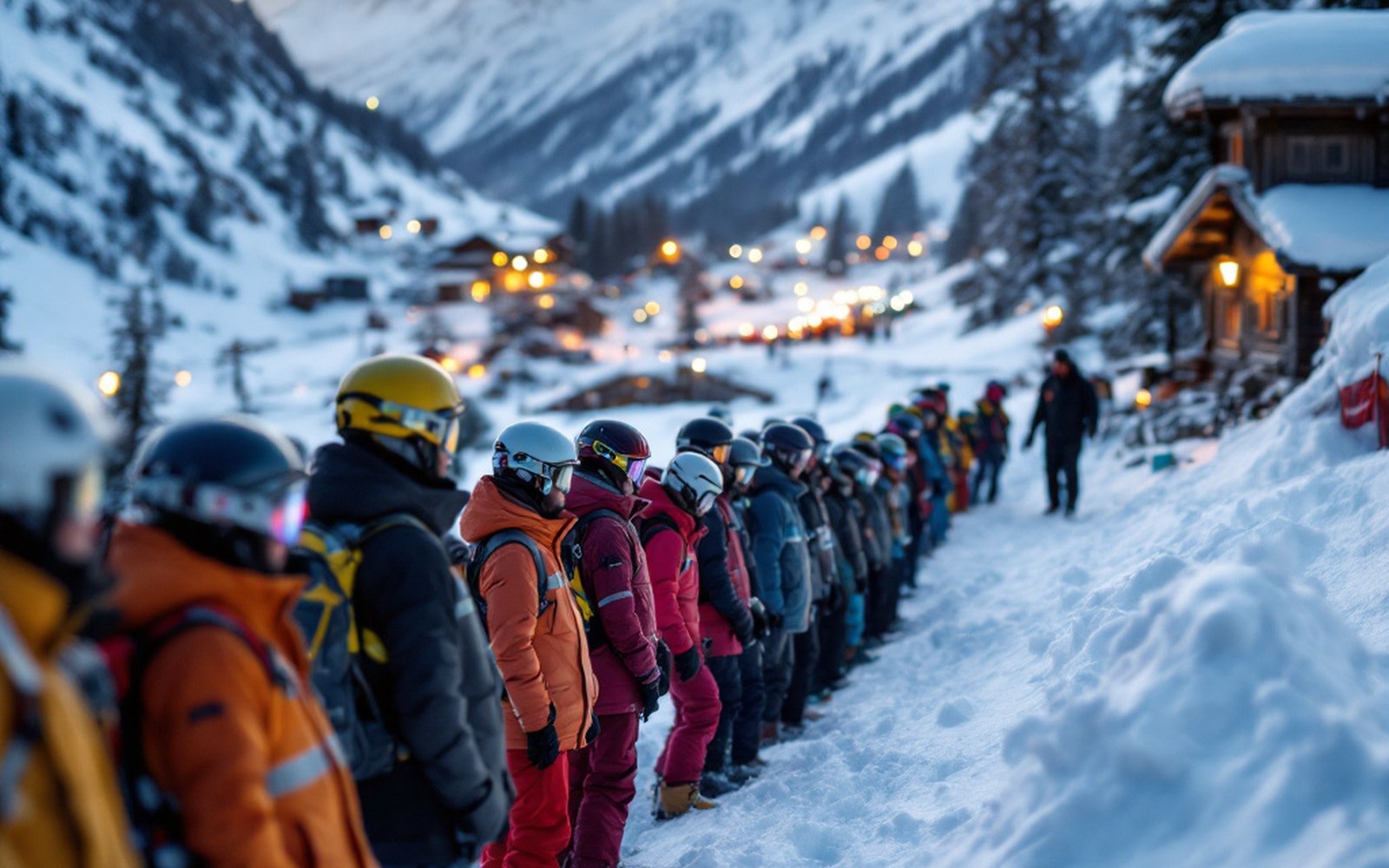 Hannes Schneider filmed his ski method and exported itHannes Schneider taught a sequenced technique at St. Anton from the 1920s, and the Arlberg method was exported through films, schools and, after 1939, through Schneider himself.
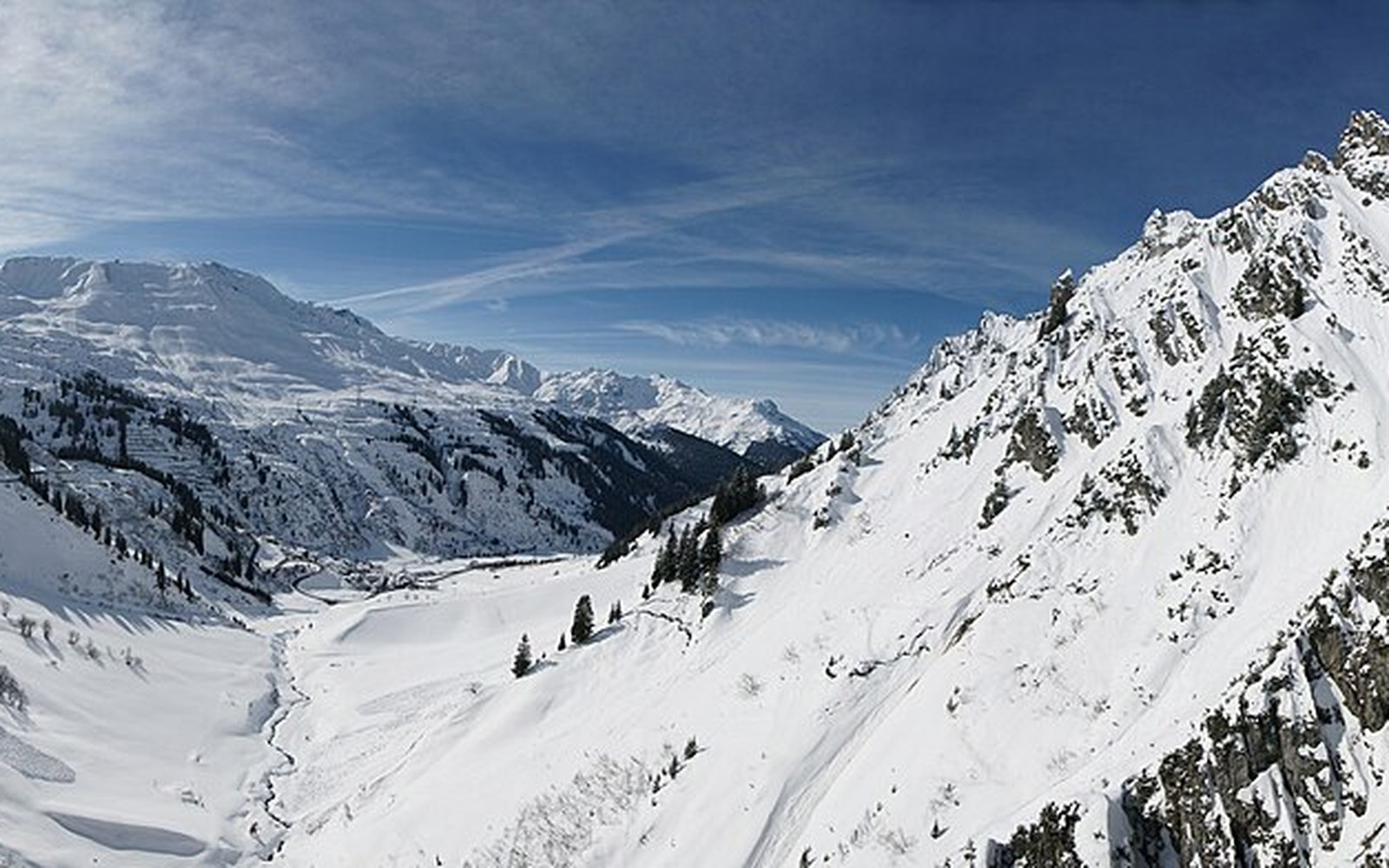 Flexen galleries deflect avalanches and keep Lech openThe Flexen road is cut into the wall and roofed where the avalanche paths cross it, which is why Lech and Zürs are reachable at all in February.
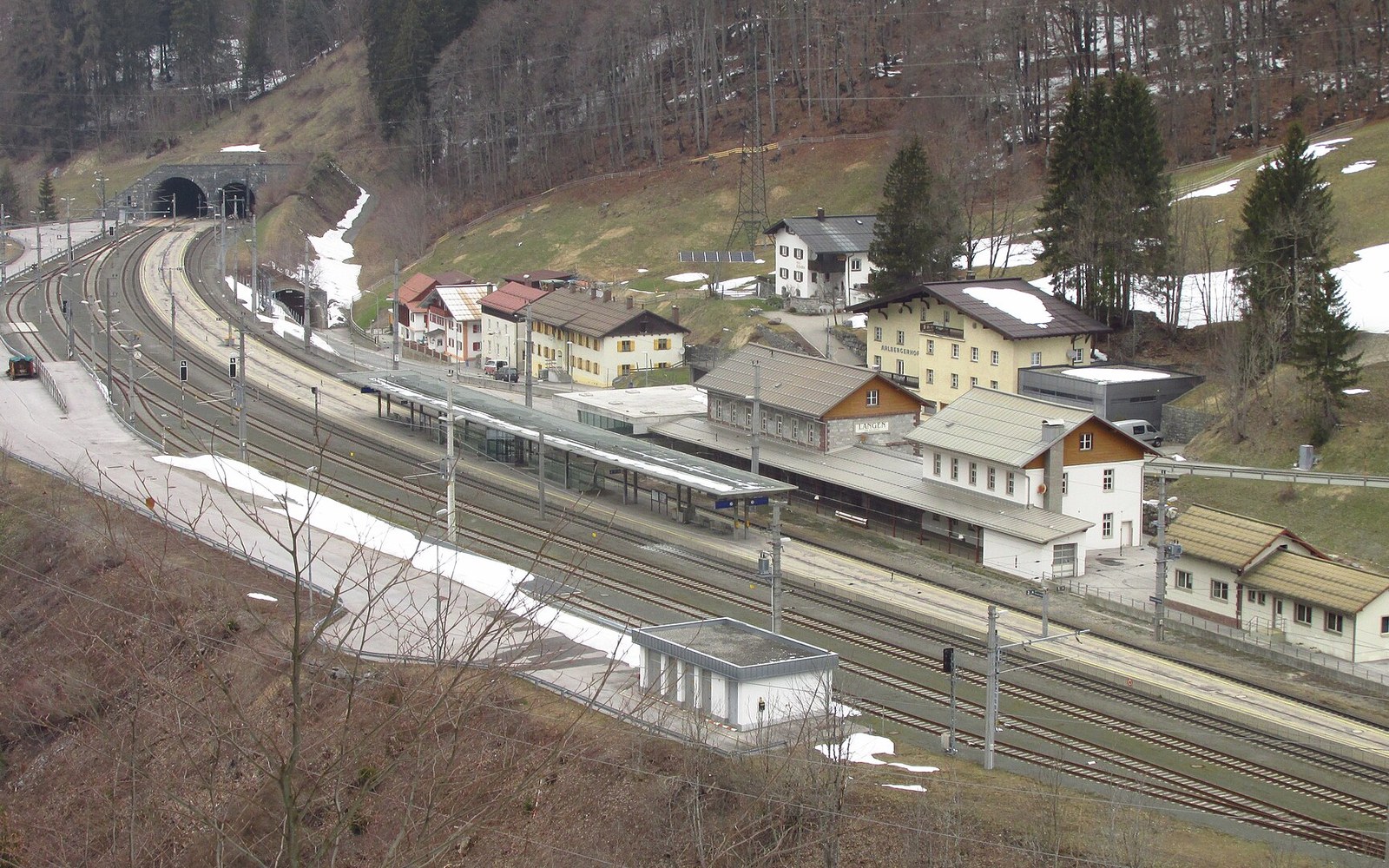 1884 turned Vorarlberg's winter barrier into year-round arteryLangen sits at the western mouth of the Arlberg rail tunnel, which has run under the pass since 1884 and made the whole region reachable before any road did.
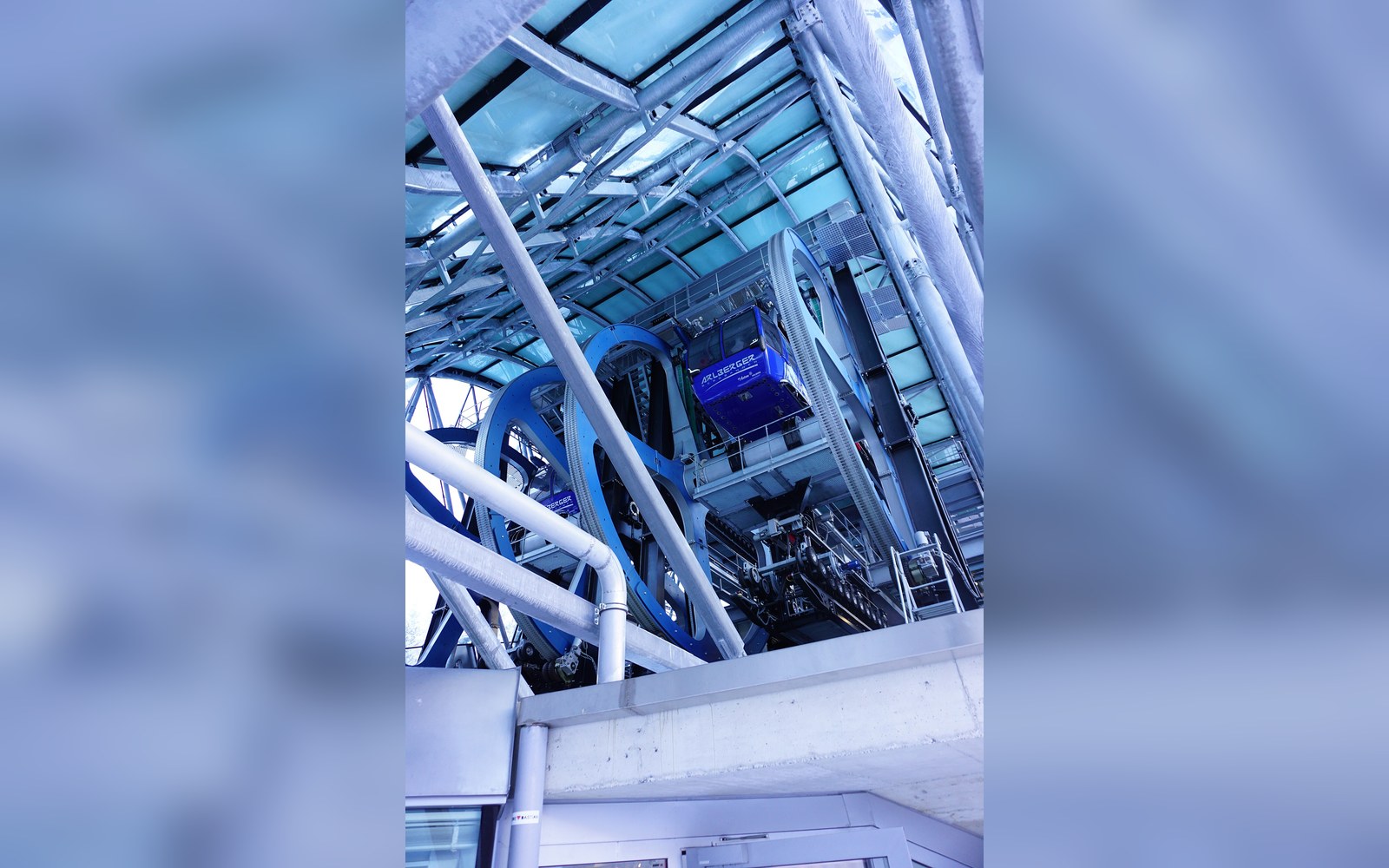 St. Anton rotates cabins through a boarding wheelThe Galzigbahn's cabins are loaded on a rotating ferris wheel inside the station, an engineering answer to a site with no room for a conventional platform.