Two Alpine clubs split but never divided the huts
A waymarked path sign on a post above a treeline
The Österreichischer Alpenverein and the Deutscher Alpenverein split into separate clubs in the twentieth century. The mountain infrastructure they built has never been divided.
One system, two names
The Österreichischer Alpenverein ↗ — the Austrian Alpine Club — and the Deutscher Alpenverein, its German counterpart, are legally distinct organisations with separate memberships, separate finances and separate headquarters. In the mountains, the distinction is almost invisible. Between them they maintain roughly a thousand staffed and unstaffed huts (Hütten, singular: Hütte — a mountain refuge, anything from a four-bunk shelter to a building that seats two hundred at dinner) and tens of thousands of kilometres of waymarked path across Austria, Germany and the ranges they share. A member of either club pays the other's hut warden the reduced members' rate as a matter of course.
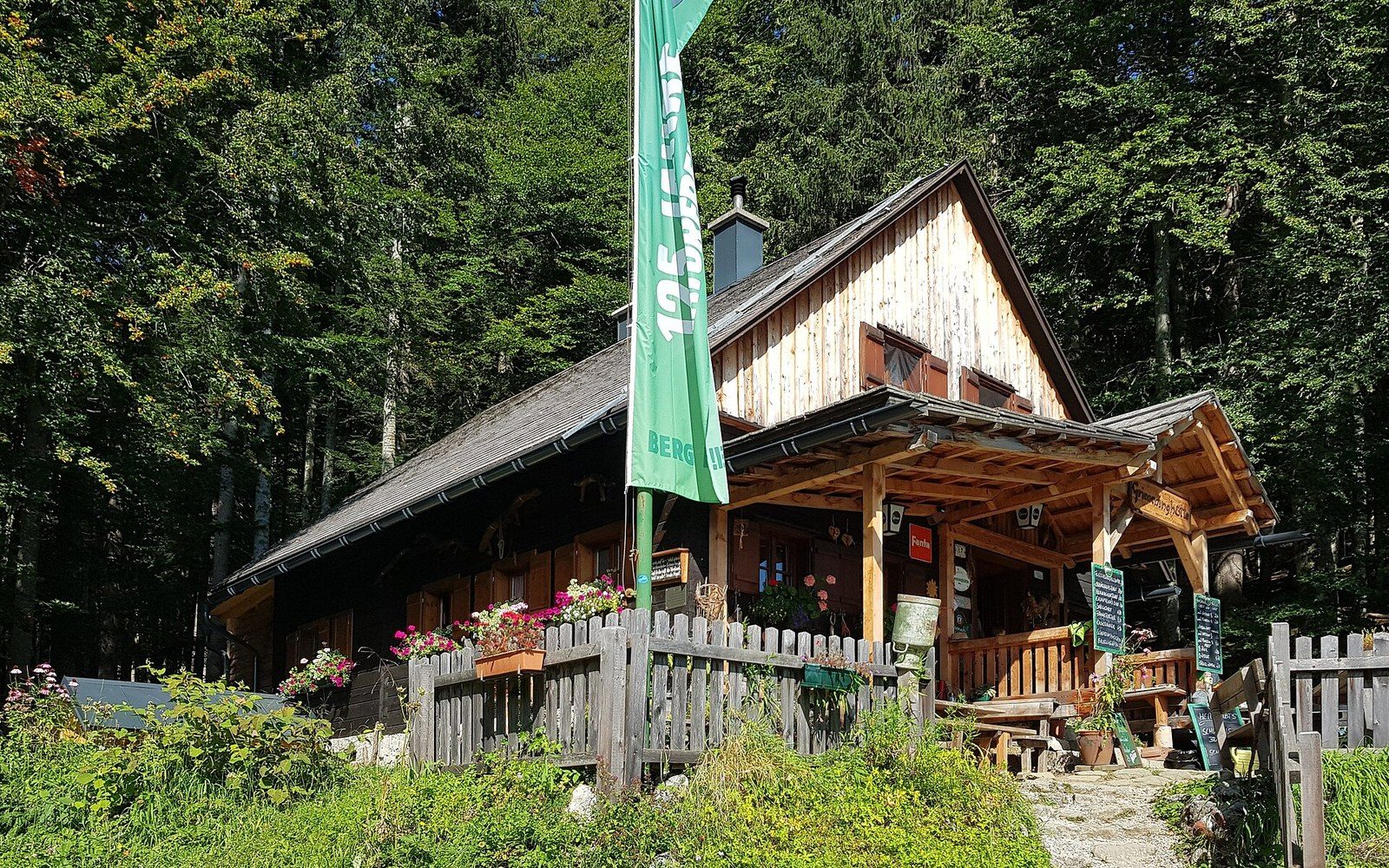
The two bodies grew from a single root. The German Alpine Club was founded in Munich in 1869; the older Austrian club merged with it in 1873, and the two separated again only in the twentieth century. Both continued building huts through the late nineteenth and early twentieth centuries, each section — there are dozens, corresponding roughly to towns and regions — taking responsibility for a particular hut or group of huts. The section owns the building, funds repairs, and appoints the warden who runs it through the summer season. The path network was waymarked under agreed standards so that routes crossing from one national territory to the other carry consistent markings: red-white-red paint blazes and numbered trail signs that survive both bureaucracies.
What the arrangement covers
Membership of either club — or of affiliated clubs such as the South Tyrol Alpine Club or the Swiss Alpine Club — unlocks the same practical package across the network. The hut fee for members is substantially lower than the non-member rate, and priority booking in crowded huts tends to favour members as well. The agreement runs quietly in the background; there is no single treaty to point at, rather a long-standing reciprocal understanding embedded in how both clubs operate.
The path maintenance side is less visible but equally substantial. Trail crews from local sections clear winter debris, refix waymarkers, rebuild storm-damaged sections of path and inspect bridges each spring before the walking season opens. The Deutscher Alpenverein publishes its path maintenance figures: the DAV alone is responsible for around 30,000 kilometres of marked trail across the Alps. The Austrian number, distributed across the ÖAV's own sections, runs to a comparable scale. Neither set of paths ends at the national border.
Above the waymarked network sits the long-distance route system. The high routes — Höhenwege — threading across ranges like the Zillertal or the Hohe Tauern are products of this shared infrastructure: they cross huts owned by different sections of different clubs, in different countries, and they function as continuous routes precisely because the two organisations have always treated the mountains as a single operating space rather than a pair of adjacent ones.
A member of either club pays the other's hut warden the reduced members' rate as a matter of course
The clubs are also the principal political voice for the Alps as a landscape. The Österreichischer Alpenverein and the Deutscher Alpenverein both engage with land-use planning, protected-area designation and access questions. The Hohe Tauern National Park, which encompasses much of the high ground around the Grossglockner and the Kaprun reservoirs, was shaped in part by the kind of organised alpine advocacy that both clubs have practised since the nineteenth century.
Membership as infrastructure
It is worth saying plainly: for anyone who intends to move through the hut network over several days, membership of either club is not a loyalty card but a structural key. The reduced hut rates alone typically recover the annual membership cost within a few nights. The waymarked paths you walk between huts were built and are maintained from membership subscriptions. The warden who unlocks the Hütte at the end of a long day is paid partly from the same source.
The clubs did not set out to build a binational network. They built their own networks, and the mountains made those networks one.