Hüttenwirt staffing turned Alpine huts into timed infrastructure
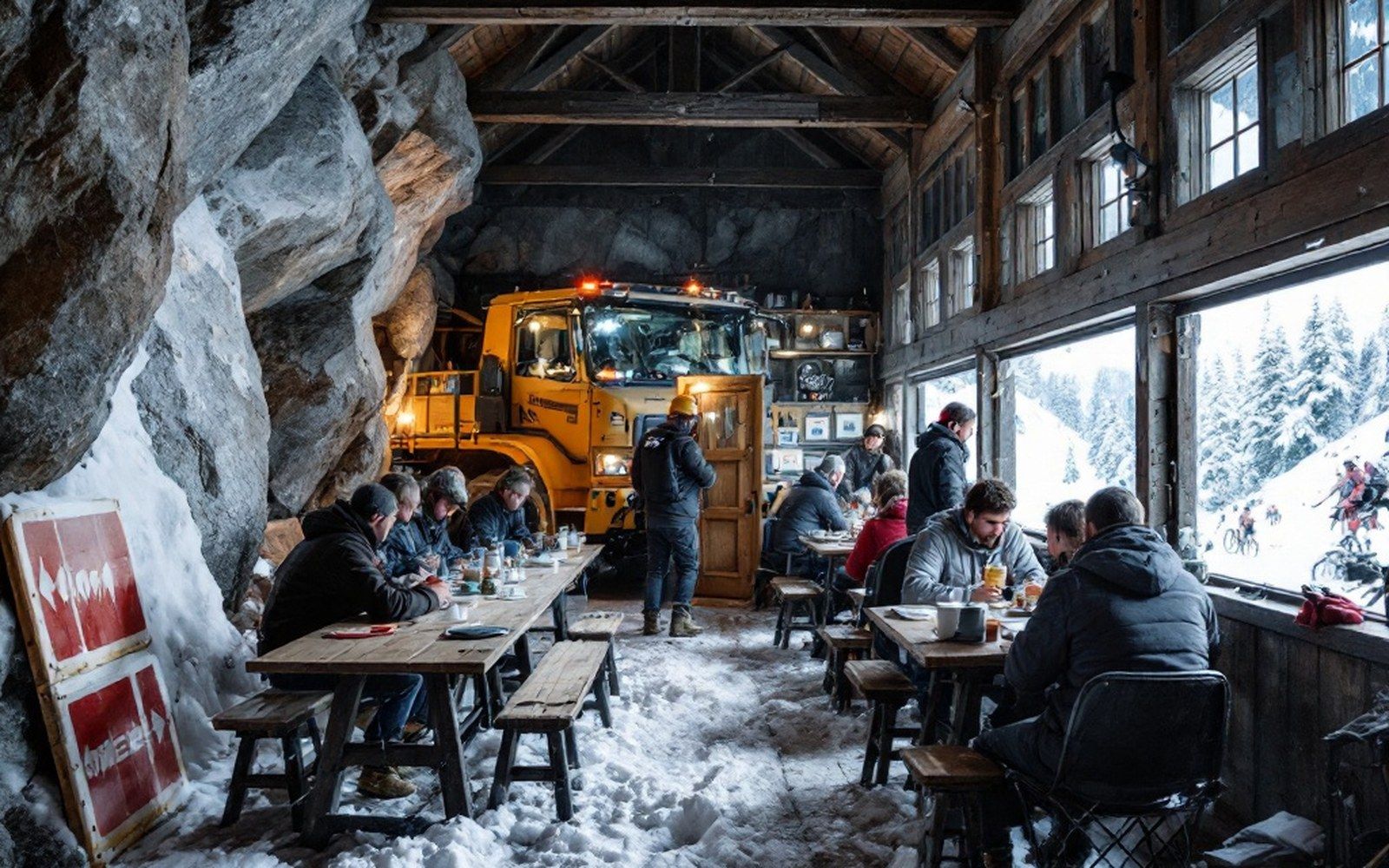
A hut interior with long tables, people eating, windows onto rock
A staffed Alpine hut sits where the next col is two hours away, not where the sunrise is best — and understanding that logic changes how the whole network reads.
What a hut is built to do
The Alpine hut — Hütte in German — is not a hotel simplified, nor a Scottish bothy left to chance. It is a precision piece of infrastructure, placed by walking time, and the siting decisions that look arbitrary on a map reveal themselves on foot. Two hours to the next hut in good conditions; four if the ground between them is serious. The network was laid out this way by the Österreichischer Alpenverein ↗ and the Deutscher Alpenverein over the late nineteenth and early twentieth centuries, and it still reads as a system rather than a scatter of buildings.
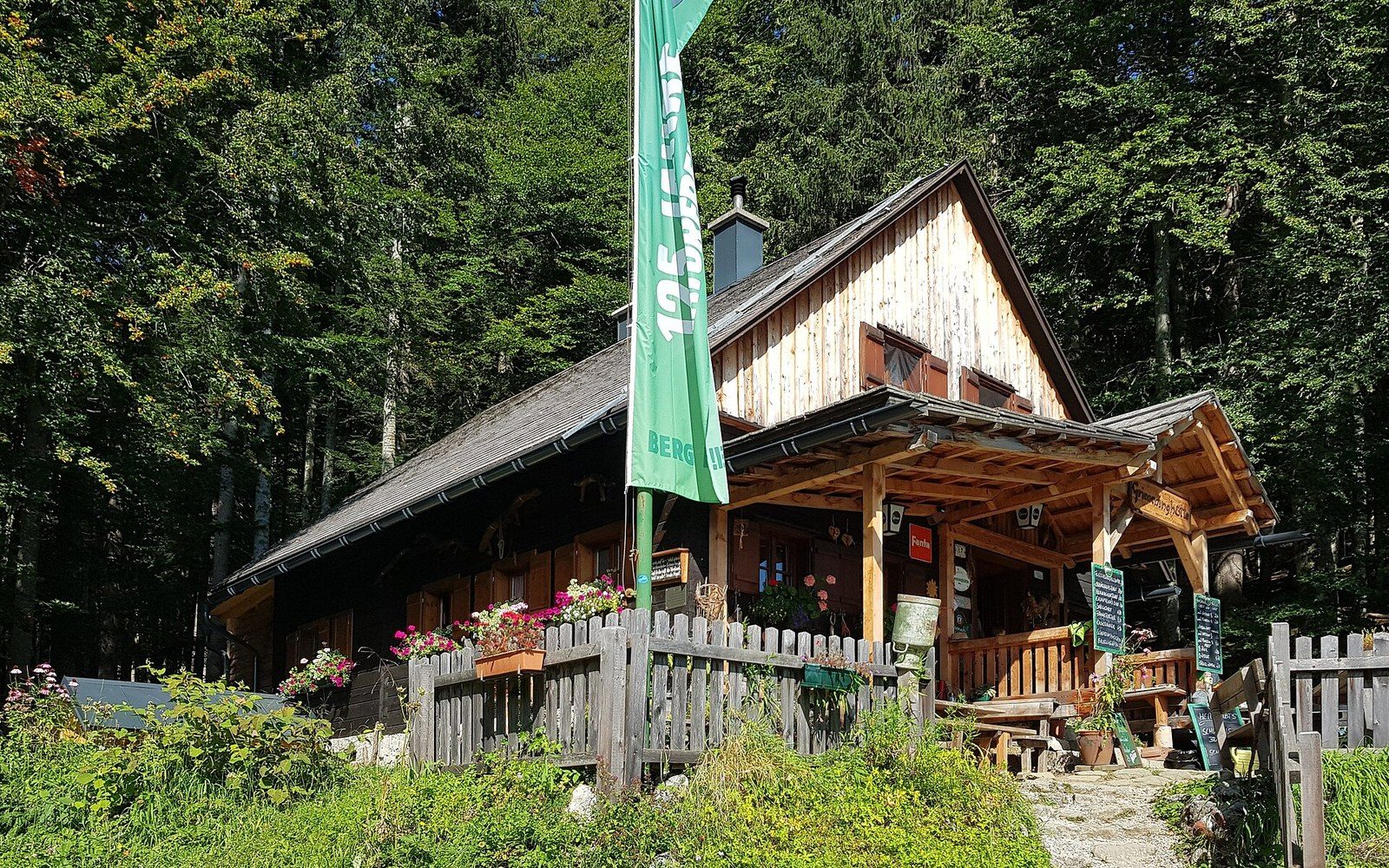
Each hut has a warden — Hüttenwirt — and a staffed season, typically running from late June to early October, though glacier huts and a handful of winter rooms extend that. The warden runs a kitchen, manages the bunk rooms, and is the first point of knowledge about the ground above. This is not an optional amenity. At height, in changeable weather, the ability to stop, eat, sleep dry, and check conditions with someone who has watched that specific mountain for years is what makes multi-day travel viable for ordinarily fit walkers rather than only for mountaineers.
The interior follows a recognisable grammar. A boot room at the entrance keeps the cold and the mud outside. A common room — usually the dining room — serves hot food from a limited but reliable menu. Sleeping is in a Matratzenlager, a dormitory of mattresses laid side by side across a wide platform, with a shared blanket or a hire sheet. Private rooms exist in larger huts, but the Matratzenlager is the default and is neither primitive nor incidental: it is how the hut works economically at altitude, where every supply that cannot be grown or caught has to arrive by helicopter or on a warden's back.
Placed by logic, not by view
The huts of the Arlberg region, the Zillertal, the Hohe Tauern and the Berchtesgaden Alps sit at elevations chosen to give walkers a sheltered overnight between stages, which means they cluster below the high cols rather than on them. A hut at the col would be dramatic; a hut just below it, where wind and exposure drop away, is the one people can actually reach in deteriorating weather without committing to the next valley. That calculation — comfort of approach over drama of position — is visible across the whole network maintained by the two clubs.
Altitude also dictates construction. Above the treeline, timber gives way to stone and rendered masonry. Roofs are shallow-pitched or nearly flat where snow load is the primary structural force, and windows face south for passive solar gain because every kilogram of heating fuel has a logistical cost attached. The supply problem is not incidental — it shapes the architecture. A hut that can warm itself through winter sun and cool itself through stone walls is a hut whose warden can keep the margins workable.
The booking layer
The Alpenverein network introduced a centralized booking system in the early decades of the twenty-first century, which changed the practical experience of hut travel considerably. Before it, walkers arrived and the warden decided; the tradition of Notlager — emergency floor space — meant nobody was turned away entirely, but planning was approximate. Now most huts can be reserved online through the club databases, and the peak midsummer weeks fill weeks in advance. Members of either club — Austrian, German, and a long list of affiliated national associations — pay reduced overnight fees and have reservation priority.
Two hours to the next hut in good conditions; four if the ground between them is serious
Membership also carries a practical shape to it: the clubs built these huts, maintain the waymarked paths that connect them, and fund the helicopter rescues that retrieve walkers from the ground between. The fee is less a subscription than a stake in the infrastructure, and the huts reflect that: they are maintained to a standard that keeps them genuinely functional rather than merely standing.
The Scottish bothy is open, free, and available to whoever arrives. The Alpine hut charges, books, feeds, and employs. Both exist to make movement possible over ground that would otherwise force a retreat to the valley. The difference is the mountain they were designed for.