Alpenverein wardens have staffed huts since 1862
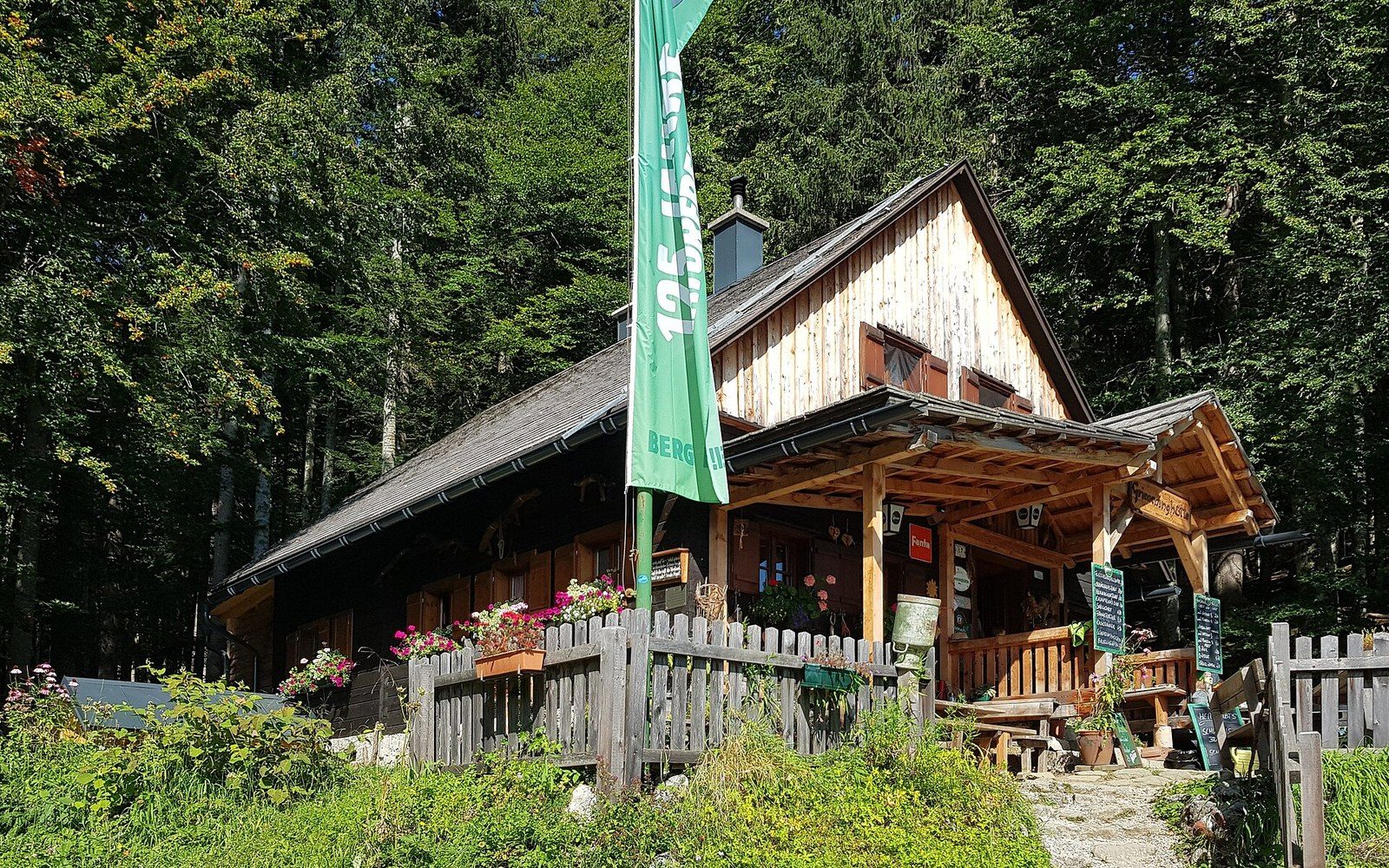
A staffed hut with boots lined up outside the door and the valley belowPhoto: Grimminghütte (20200912 145238) · Wikimedia Commons
A staffed hut has a warden, a bunk room, a booking system and a code of conduct that predates the lifts by a century. The Alpenverein clubs built the network and still run most of it.
The network and the people behind it
The Hütte — the mountain hut — is not a hotel in the hills, and it is not a bothy left unlocked for whoever arrives. It is a staffed institution, part of a network built deliberately over more than a century and a half, and the rules that govern it are old enough to predate every lift ever bolted to an Alpine wall.
The Österreichischer Alpenverein ↗ and the Deutscher Alpenverein between them manage several hundred staffed huts across Austria and Germany, the great majority of the serious overnight infrastructure above the treeline. The two clubs are related by history — the original Österreichischer Alpenverein was founded in Vienna in 1862, the Deutsche Alpenverein in Munich in 1869, and for much of the early twentieth century they operated as a single merged body before separating again. The hut network they built is the physical record of that project: a placed, spaced, waymarked system intended to make multi-day movement in the mountains practical for people who were not wealthy enough to hire guides for every metre. Placement was the first engineering decision. A hut was not put where a valley was pretty; it was put where walkers needed it, at the end of a day's approach or at the threshold of a serious crossing.
The warden — Hüttenwirt is the German title, though the role goes by other names — is not a caretaker in the passive sense. The warden opens the hut at the start of the season, runs a kitchen, allocates sleeping space, keeps the log, manages the resupply (by foot, by helicopter, or by cable if the hut has one), and closes the building before the winter makes it untenable. The season varies by altitude and aspect: lower valley huts may run from May to October; a high hut above two thousand metres on a north-facing ridge may run eight weeks if it is lucky. Some wardens have held the same hut for decades, and the role passes between families in ways that look a little like a tenancy and a little like a vocation.
What the code of conduct looks like in practice
The bunk room, or Matratzenlager — a communal sleeping shelf, not individual beds — is the social contract made physical. You share space with strangers. You keep your headtorch handy. You do not return from the mountain and claim an unbookable bed simply because you feel you need one. That last point is where the booking system enters.
The clubs run an online reservation platform and most staffed huts now expect you to have a confirmed place, particularly in high summer when hut-to-hut routes through popular ranges fill a week or more in advance. The system exists because the alternative — turning people away at the door in the dark at three thousand metres — is the kind of problem no one wants the warden to manage alone. Club members get priority booking, reduced overnight charges, and in some huts first access to guide beds: the narrow bunks reserved specifically for people setting out in the early hours for a summit. These are practical privileges, not prestige, because the club membership model was always intended to fund the network rather than exclude non-members.
The Hütte — the mountain hut — is not a hotel in the hills, and it is not a bothy left unlocked for whoever arrives
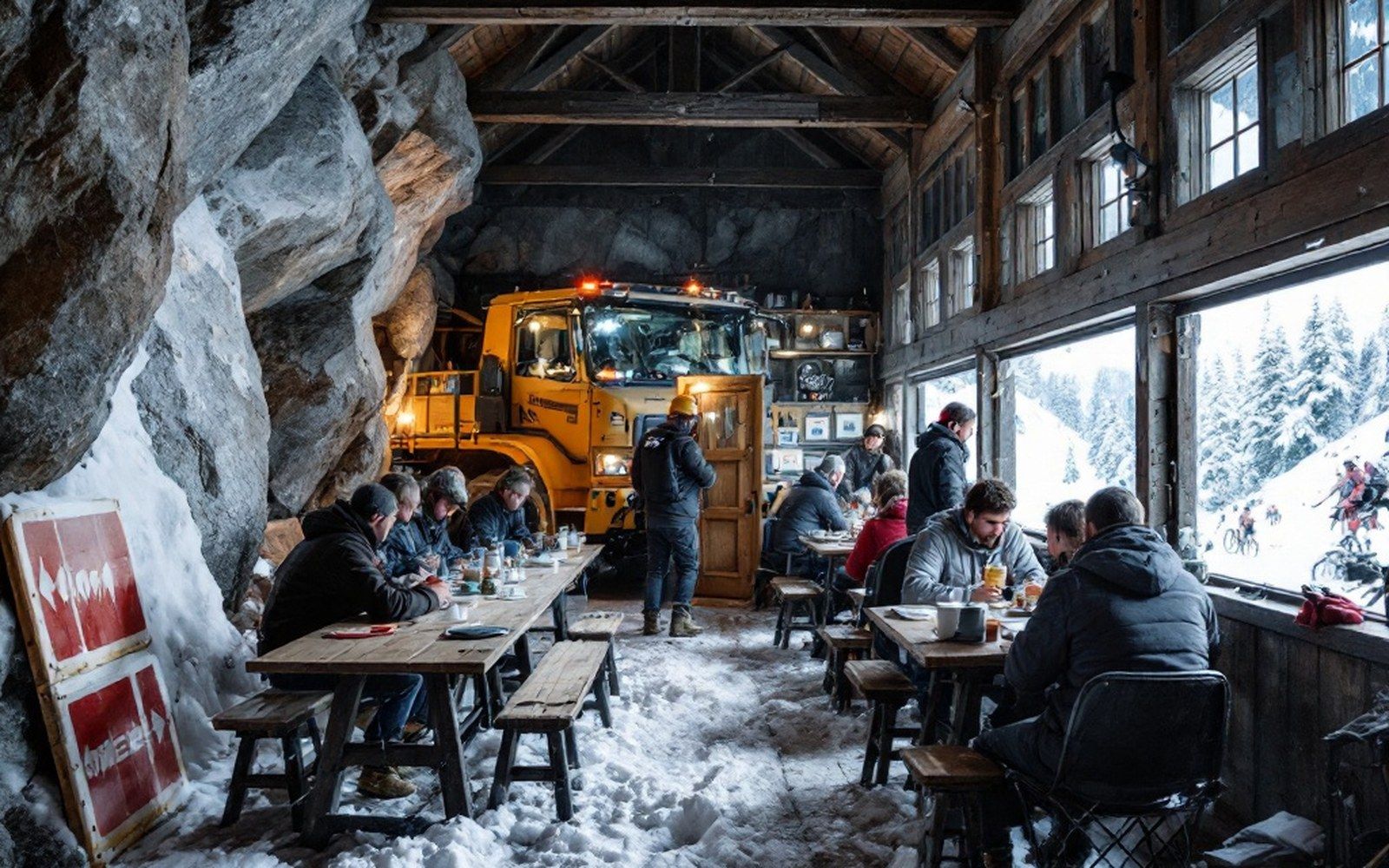
The kitchen is worth understanding on its own terms. Hut food is cooked on what can be resupplied: Gulasch, Kaiserschmarrn, soup, bread, canned goods, whatever fresh produce arrived this week. A warden is feeding potentially dozens of people at altitude with a gas cooker and a storeroom stocked partly by helicopter. The Alpenverein hut standards ↗ specify what a hut must provide — safe sleeping, drinking water, a warm meal — and what it cannot charge beyond certain limits for club members. But the food is what it is, and the expectation you arrive with should be calibrated accordingly.
The hut as infrastructure, not amenity
What the clubs built across a century and a half is infrastructure in the same sense that a road is infrastructure: it extends what is possible. The Grossglockner, the high ridges of the Zillertal, the traverse lines above Lech and Zürs on the Arlberg side — none of these are accessible as multi-day experiences without a functioning hut at the right altitude, staffed and provisioned, bookable. The alternative is carrying everything you need, which changes the character of the movement entirely and limits who can do it.
The huts also carry altitude equipment and basic first-aid material, and most have radio contact with valley rescue services. They are not hospitals, and the clubs are explicit that they are not designed as emergency shelters to be relied upon outside their operating season — an unstaffed hut in November is not a refuge in the way the word might imply. The Alm, the high pasture, and the Hütte occupy different registers; some summer farms become season huts, but the distinction matters. What the Alpenverein network guarantees is the staffed, provisioned, bookable kind: a place with a warden, a kitchen, a log, and a door that opens when it says it will.
The code of conduct that runs through the network — shoes off at the door, drying room for wet gear, no loud noise after ten, breakfast ordered the night before — is not sentiment. It is operational logic for a building that might house sixty people in eighty square metres of sleeping space, served by one or two people running a kitchen and a booking sheet simultaneously. The rules predate the lifts, predate the booking software, and will likely outlast both. They exist because somebody has to be up there all season, and the conditions under which that is sustainable have been worked out over a very long time.
The Österreichischer Alpenverein's hut directory lists every staffed hut with its altitude, season dates, and capacity. It is the clearest map of what the network actually is: not a chain of destination restaurants with views, but a distributed system of provisioned overnight stops, maintained by the clubs, operated by wardens, and held in place by a century and a half of deliberate placement.