Zillertalbahn reached Mayrhofen in 1902 and survives
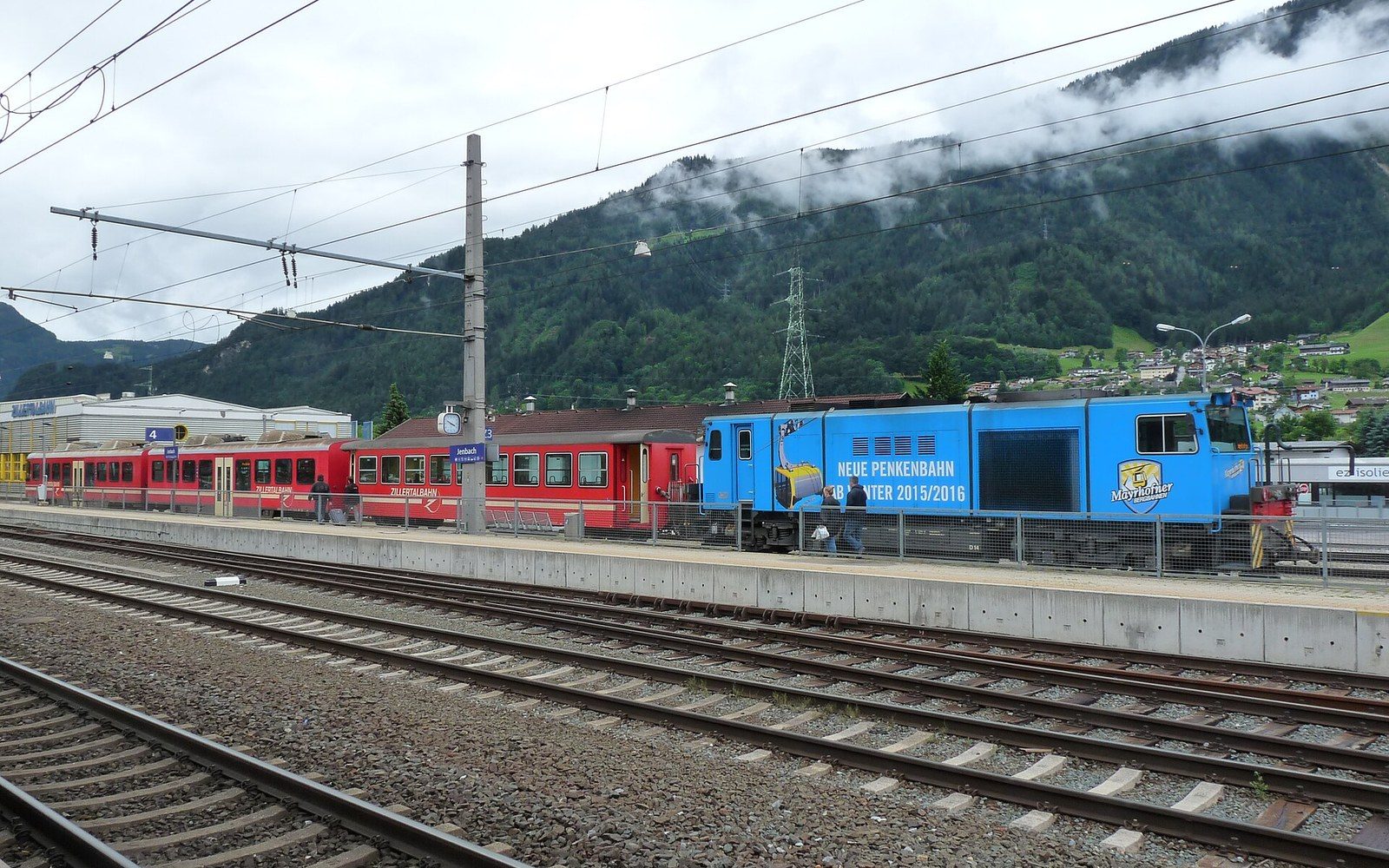
A narrow-gauge train on a valley floor line with snow banked beside the trackPhoto: Zillertalbahn Jenbach 2016 II · Wikimedia Commons
The Zillertalbahn has run the full length of the Zillertal since 1902, and it still carries both passengers and freight — one of the few narrow-gauge lines in the Alps to have held onto both.
Thirty-two kilometres, one gauge, one operator
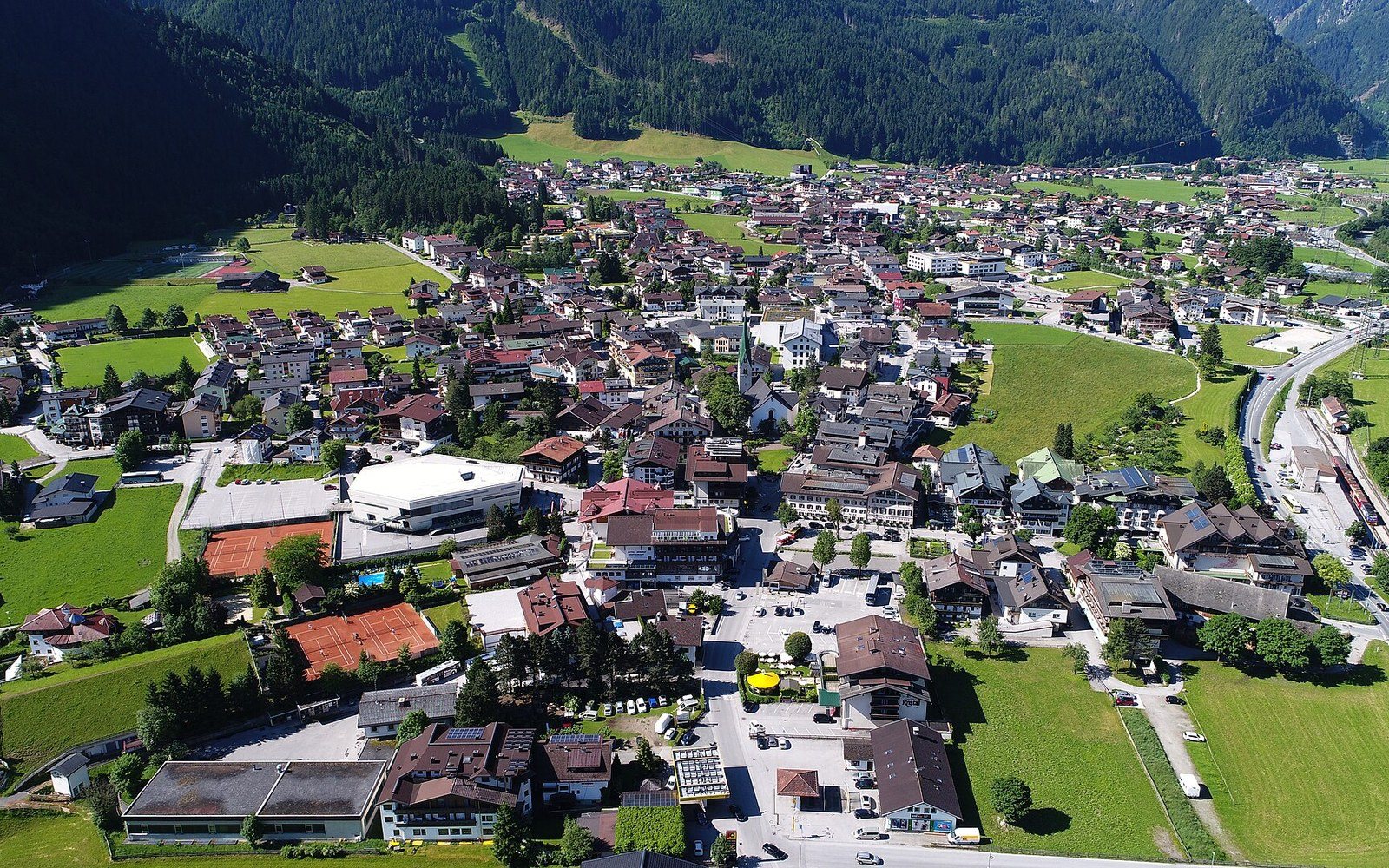
The Zillertalbahn runs from Jenbach, on the Inn Valley main line, south through the valley floor to Mayrhofen, covering around thirty-two kilometres on a 760 mm gauge track. That gauge — sometimes called Bosnian gauge from its original use in Austro-Hungarian military railways — was common across the empire's provincial lines and allowed cheaper construction through narrow valley terrain. The Zillertal railway company, privately held since its founding, received its concession in 1899 and opened the line in stages, reaching Mayrhofen in 1902.
The line's survival into the present century owes something to the fact that it never became purely a tourist operation. Freight — timber, building materials, aggregates — ran alongside passengers from the beginning, and that dual purpose persisted ↗. Where comparable lines across Austria were lifted once road haulage took over, the Zillertalbahn kept its freight contracts long enough to stay solvent while tourism grew around it. Today the passenger numbers are substantial; the valley road through Fügen, Kaltenbach, Zell am Ziller and Zell im Zillertal runs alongside much of the route, and the railway still draws commuters and day visitors as well as walkers connecting to higher trailheads.
Traction on the line has always been mixed. Steam locomotives handled the early decades, and the company has preserved several of them ↗, running steam-hauled services on the line in summer as working heritage rather than as spectacle apart from the regular timetable. Diesel and modern diesel-hydraulic units handle the bulk of scheduled services. The company also operates a small network of connecting bus routes into the side valleys that the railway itself cannot reach — the Tuxertal toward Hintertux, for instance — so that the rail connection at Mayrhofen feeds a wider network rather than terminating at a dead end.
The infrastructure is maintained by the operating company itself, without a blanket state guarantee of the kind that keeps many Austrian rural railways alive, which makes the Zillertalbahn an unusual case: a narrow-gauge line carrying real loads in both directions, under private management, across terrain that would discourage a road freight operator in winter. The valley it runs through is also a working valley — sawmills, farms, a handful of small industries — and the railway serves them as quietly and routinely as it always has.