Hannes Schneider filmed his ski method and exported it
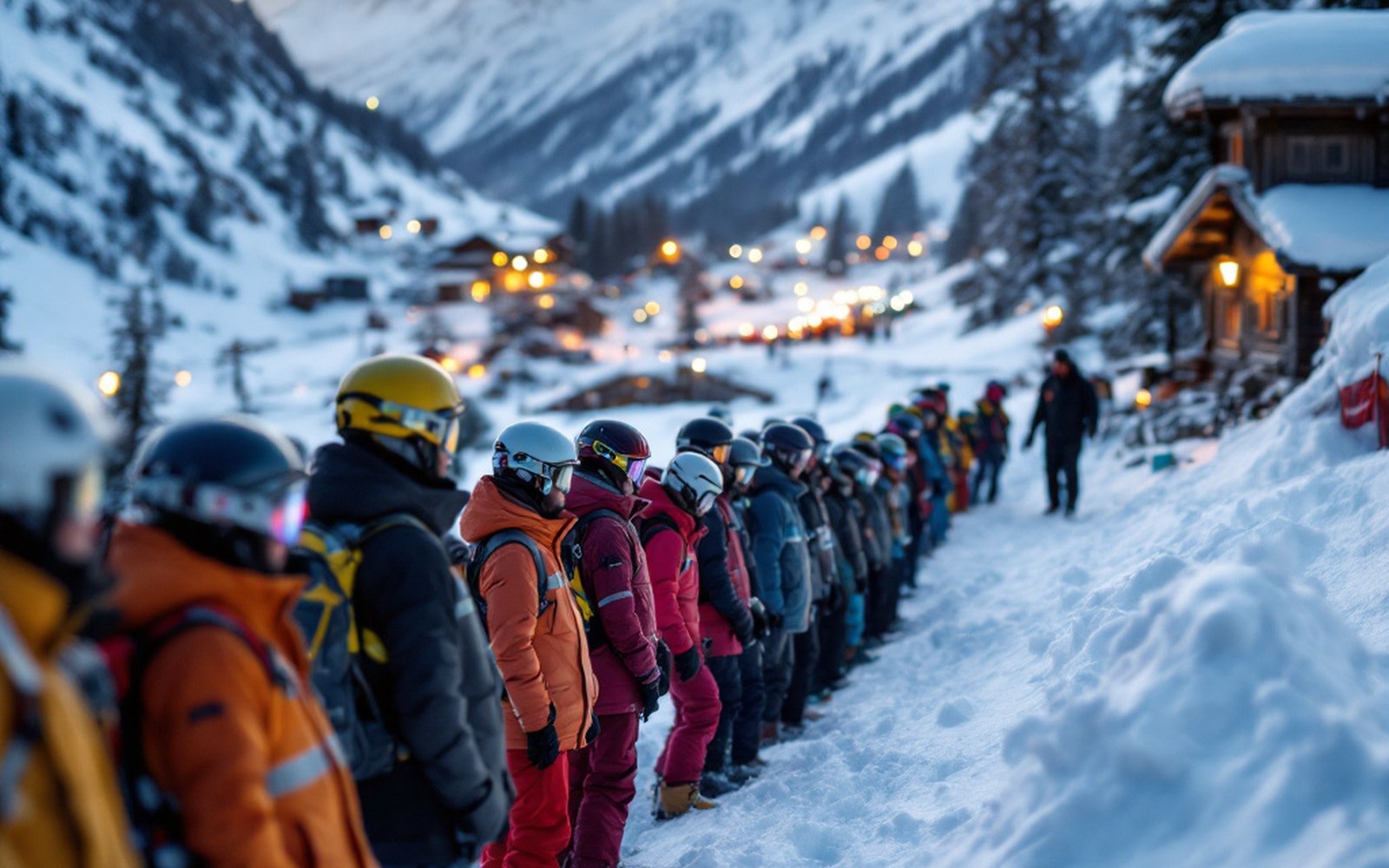
A present-day ski school line on a groomed slope, instructor standing in front of them, valley behind. Ordinary daylight, no period styling
Hannes Schneider systematised how to turn, filmed it, and sent both the film and himself to the world. The Arlberg technique spread further than any instructor had carried a method before.
The man and the mountain school
Hannes Schneider was born in Stuben in 1890, the son of a cheesemaker, and grew up on the western approach to the Arlberg pass at a time when skiing in the region was still a rough business of military transport and alpine necessity. He began teaching at St. Anton am Arlberg in 1907, took charge of the ski school there and spent the next three decades turning an improvised collection of borrowed techniques into something coherent, graduated and teachable to strangers. That last quality — teachable to strangers — was the point. Most early ski instruction was ad hoc, one instructor watching one pupil and guessing what the pupil needed next. Schneider built a sequence.
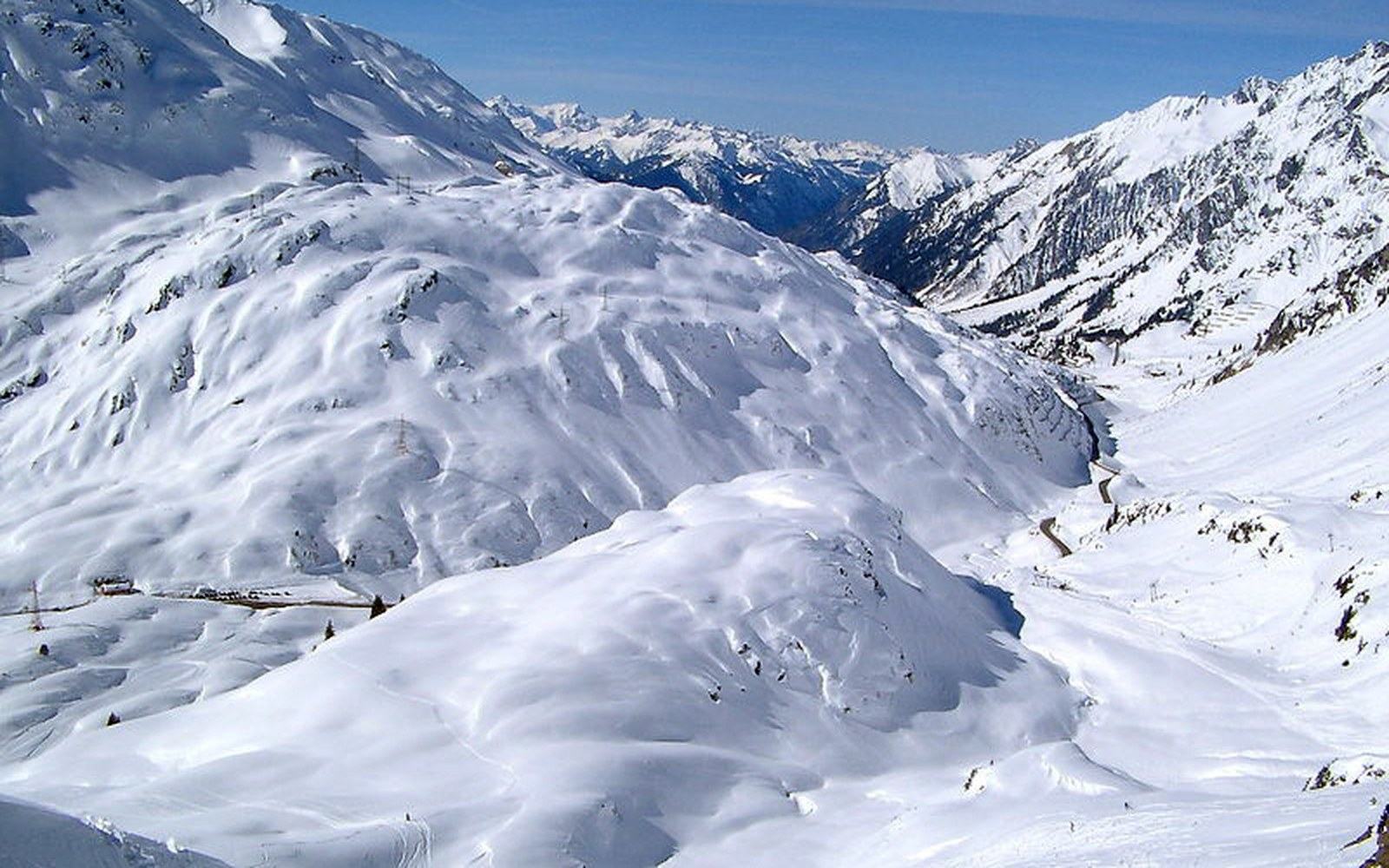
The technique itself drew on what was already in the valley. The wide, rotational stem-turn style associated with Mathias Zdarsky had come earlier, but Schneider refined it through the stem christie into a turning method that used edge, body lean and controlled weight transfer rather than brute rotation. The instructor could show a beginner the snowplough, move them to the stem, and then — if they were good enough — introduce the christie, a parallel swinging of the skis through the fall line. Each stage was a preparation for the next. You could stop a student anywhere in the sequence and they were functional. That was the engineering of it, and it mattered enormously when your pupils were arriving on the overnight train from Vienna and had ten days.
St. Anton am Arlberg sat at a junction the railways had made accessible. The Arlberg rail line, completed in 1884, connected the western Austrian valleys to Innsbruck and beyond, and the consequence was that the village could fill with paying guests in a way the older, harder-to-reach stations could not. By the early 1920s the ski school Schneider ran was one of the largest in the Alps, with instructors carrying his method up and down the piste — the groomed or patrolled slope — in front of classes of mixed nationality and ability.
The film, the book, and the export
What separated the Arlberg method from other regional approaches was not only its internal logic but Schneider's willingness — and his collaborators' capacity — to record and distribute it. In 1921 he worked with the film director Arnold Fanck on Das Wunder des Schneeschuhs (The Miracle of the Snowshoe), a two-part instructional film that showed the sequenced Arlberg technique ↗ on screen clearly enough for audiences far from any mountain to understand what good skiing looked like. Fanck's camera could show edge angle, weight shift and body position in a way that no printed diagram had managed. The film was distributed across central Europe and later in the United States and Japan, and it worked as advertisement, instruction manual and publicity for the school simultaneously.
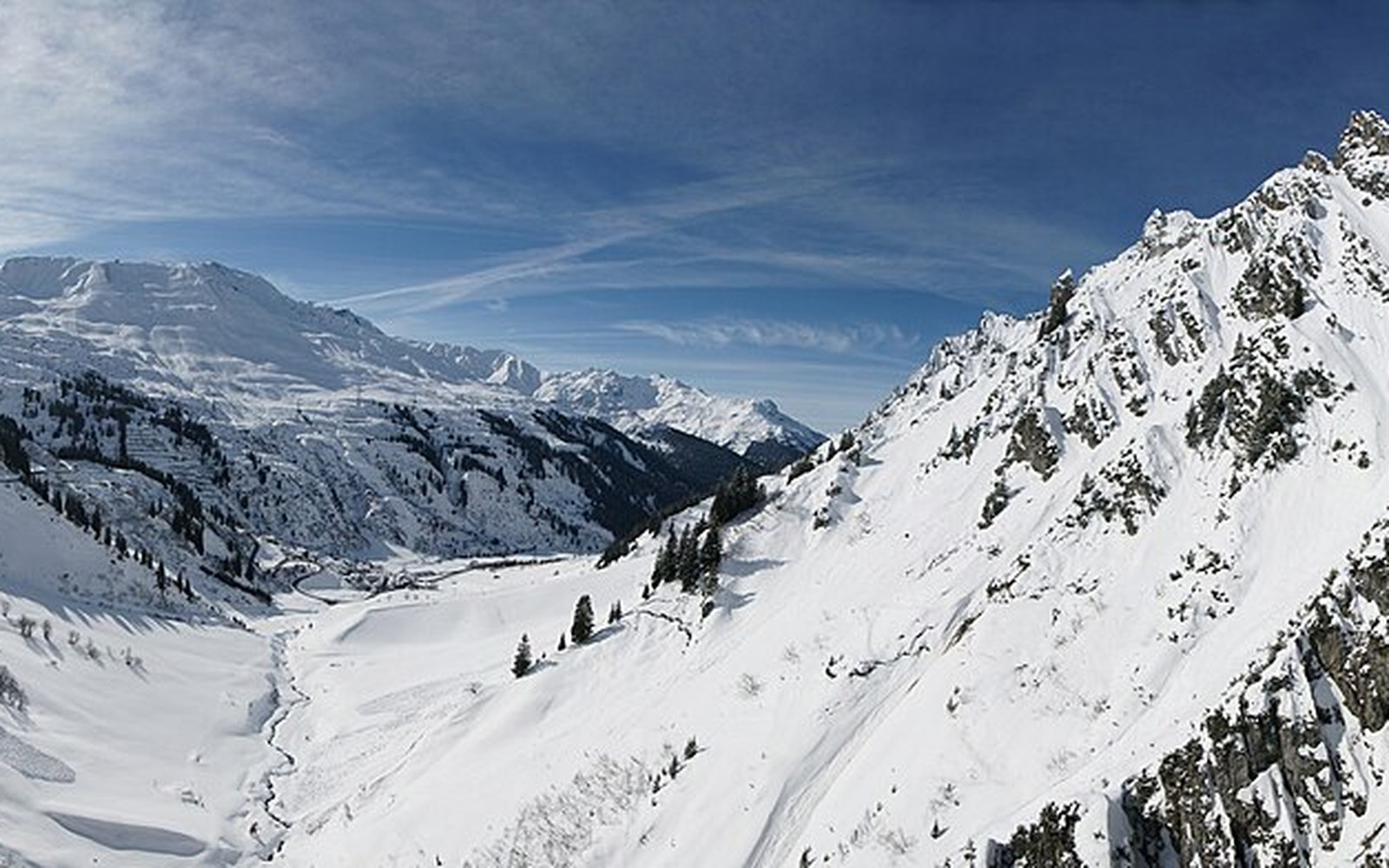
Schneider also published, with Fanck, Wonders of Skiing in book form, and the combination of moving image and text gave the Arlberg method a reach that was structurally unlike anything preceding it. Other instructors had written manuals; Schneider had a filmed curriculum. Ski schools that adopted the method in Norway, France, the United States and Japan were teaching from the same root, which meant that instructors trained in different countries were using a shared vocabulary of movement. That coherence made the method an international standard in a way no alpine technique had been before.
The 1920s and 1930s also saw Schneider train a generation of instructors who spread outward. Rudolf Lettner's steel-edged ski, developed around 1928, made the precise edge control the Arlberg method demanded technically easier to execute and thereby extended the method's practicality — the physics of the christie relied on grip, and steel edges provided it more reliably than wooden-edged skis on hard or icy snow. The equipment caught up with the technique.
Arrest, emigration and the American chapter
Most early ski instruction was ad hoc, one instructor watching one pupil and guessing what the pupil needed next
In March 1938, the same week that German forces entered Austria in the Anschluss, Schneider was arrested at St. Anton and held for nearly a year. The political circumstances were specific: he had refused to join the Nazi Party and was considered insufficiently compliant by the new authorities. His release came in part through the intervention of Harvey Dow Gibson, an American banker and winter sports enthusiast who had known Schneider's reputation and had the diplomatic connections to press for it. The condition attached to his emigration was that he leave Austria and not return as a free man under the regime that imprisoned him.
Schneider arrived in North Conway, New Hampshire in early 1939 and took charge of Cranmore Mountain, where he built a ski school on the same sequential method he had developed at St. Anton. He stayed. The United States got the originator of the Arlberg technique running a working school, training American instructors in a system that then spread through the nascent American ski industry at exactly the moment that industry was finding its form. The Professional Ski Instructors of America ↗, founded in 1961, grew from an instructional culture that Schneider and his contemporaries had shaped.
Schneider died in North Conway in 1955. He did not return to St. Anton after 1938. The Arlberg method had left the valley with him, and the school he had built went on under other directors using techniques that evolved away from the original sequence — modern ski teaching abandoned the snowplough-to-stem-to-christie progression in favour of earlier parallel work as equipment changed — but the structural idea of a teachable, sequenced curriculum with a named origin remained his contribution to how skiing was institutionalised everywhere.
What remained at the Arlberg
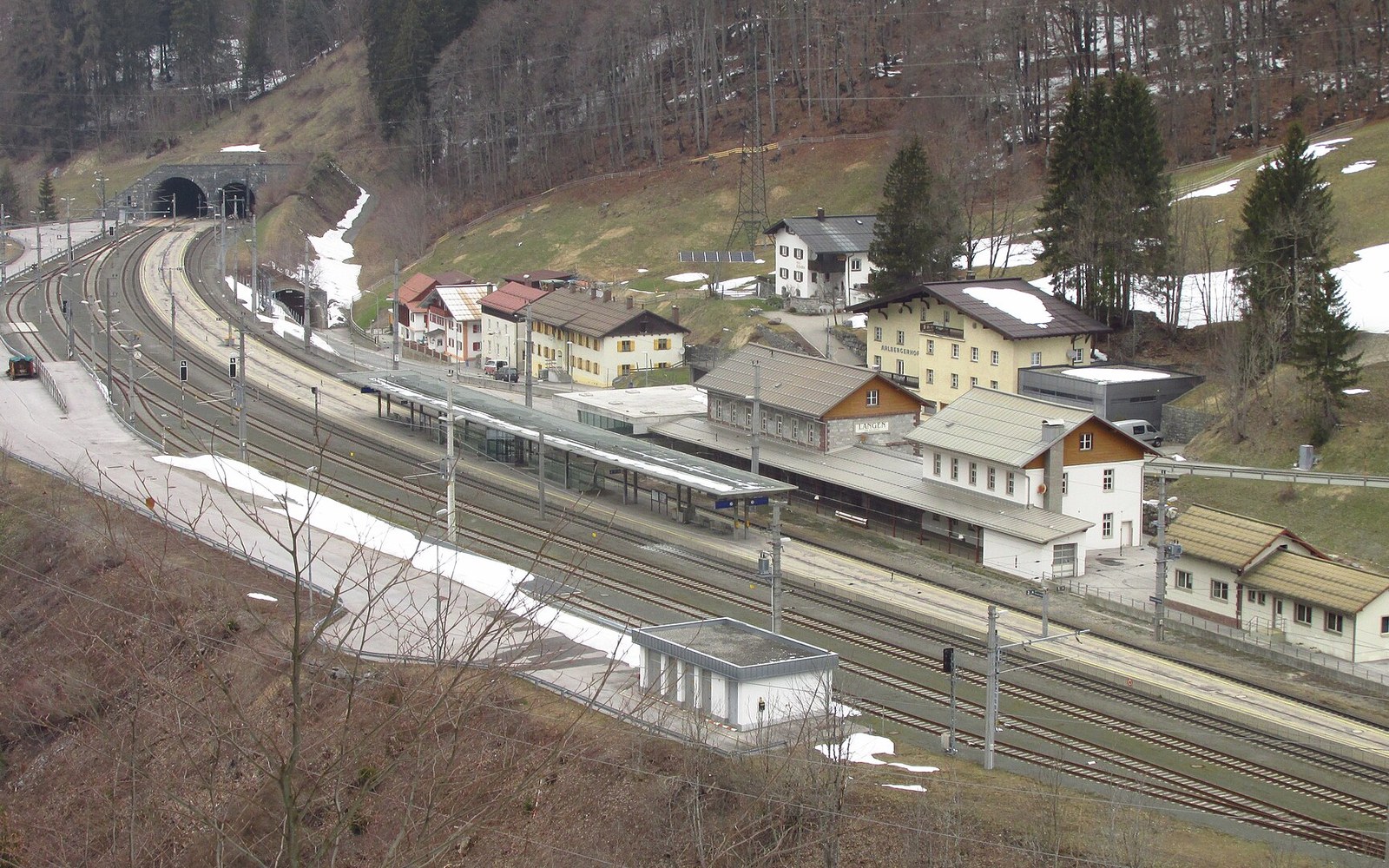
At St. Anton, the ski school Schneider had built became the Skischule St. Anton, which continues to operate. His name is attached to a statue in the village and to the Hannes Schneider Arlberg Kandahar race, one of the older races in the alpine calendar, though the Kandahar races more broadly form a separate history. The villages of the Arlberg — St. Anton, St. Christoph, Stuben, Lech and Zürs — sit in a connected lift network whose scale would be difficult to explain without the original pull of the ski school that made the area internationally known before the lifts existed.
The films are still watchable. Das Wunder des Schneeschuhs has been digitised and preserved, and seeing Schneider demonstrate the christie on the open slopes above St. Anton in the 1920s — the edging precise, the stance recognisable — it is plain that the technique filmed there was genuinely different from what had been done before. The valley produced the method; the method outlasted the valley's hold on it.